
Hello!
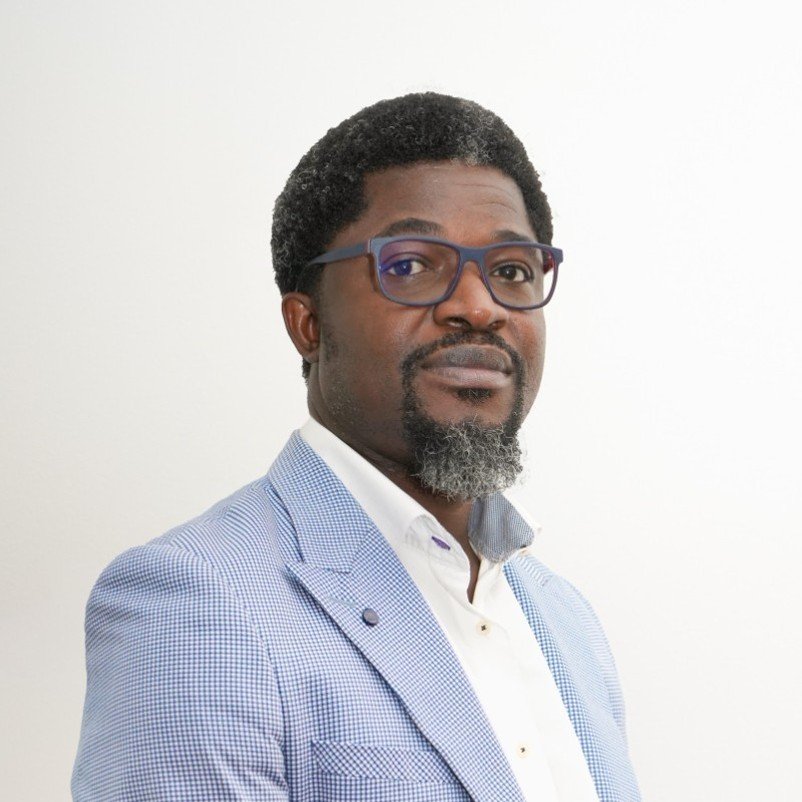
I am Olorunfemi Ojomo
HR Strategy | Talent Management | Organisational Development | Organisational Design| Performance Management | Change Management | Analytics



Every organisation have them: exceptionally capable professionals who deliver strong results year after year. Yet, they never quite make the transition into leadership. Their technical mastery is evident. Their work ethic is unquestionable. Still, when leadership opportunities arise, their names remain curiously absent from the conversation. This gap often creates confusion and sometimes resentment, because we all feel competence ought to be enough.
Leadership does not begin where skill peaks; it begins where self-expansion starts. Many talented individuals stall not because they lack ability, but because their growth becomes inward facing. They refine what they already know instead of stretching into what they must learn next. Over time, excellence hardens into comfort, and comfort quietly resists change.
One common blocker is over-identification with expertise. When your value is tied too tightly to being the smartest or most capable person in the room, leadership can feel like a threat rather than a progression. Leaders must let go of doing in order to enable. They must make space for others to contribute, even imperfectly. For some talents, this shift feels like loss of control, of recognition, of certainty.
They refine what they already know instead of stretching into what they must learn next. Over time, excellence hardens into comfort, and comfort quietly resists change.
Another barrier is emotional range. Leadership demands more than composure; it demands empathy, perspective, and the ability to manage tension without becoming defensive. Talented individuals who struggle with feedback, conflict, or ambiguity often remain individual contributors not because they are ineffective, but because their reactions under pressure signal risk. Organisations promote people they believe can absorb complexity without amplifying it.
There is also the issue of self-awareness. Skill can mask blind spots for a long time. When results are strong, feedback becomes softer, and introspection feels optional. Yet leadership exposes patterns that competence can hide; how you listen, how you influence, how you respond when things go wrong. Without the willingness to confront these patterns, growth plateaus.
Organisations promote people they believe can absorb complexity without amplifying it.
Perhaps the most subtle blocker is mindset. Some talents unconsciously wait to be invited into leadership instead of preparing themselves for it. They see leadership as a reward rather than a responsibility, a position rather than a practice. As a result, they focus on being noticed instead of being ready. But leadership readiness is demonstrated long before it is recognised.
The transition from talent to leader requires an internal shift. From proving to improving. From performing to developing others. From certainty to curiosity. These shifts are uncomfortable, and not everyone is willing to make them, even if they have the skill to do so.
Leadership is not the next step after competence. It is the next step after growth, growth in self-awareness, emotional maturity, and perspective. Until those dimensions expand, talent remains just that: impressive, valuable, and limited.
Some talents never become leaders, not because they could not but because they never outgrew the version of themselves that competence rewarded.
If you are yet to subscribe, please do and also share with others.
#Curiosity #Findings #Thoughts
HR Strategy | Talent Management | Organisational Development | Organisational Design| Performance Management | Change Management | Analytics
Sign up for my newsletter to receive all updates.