
Hello!
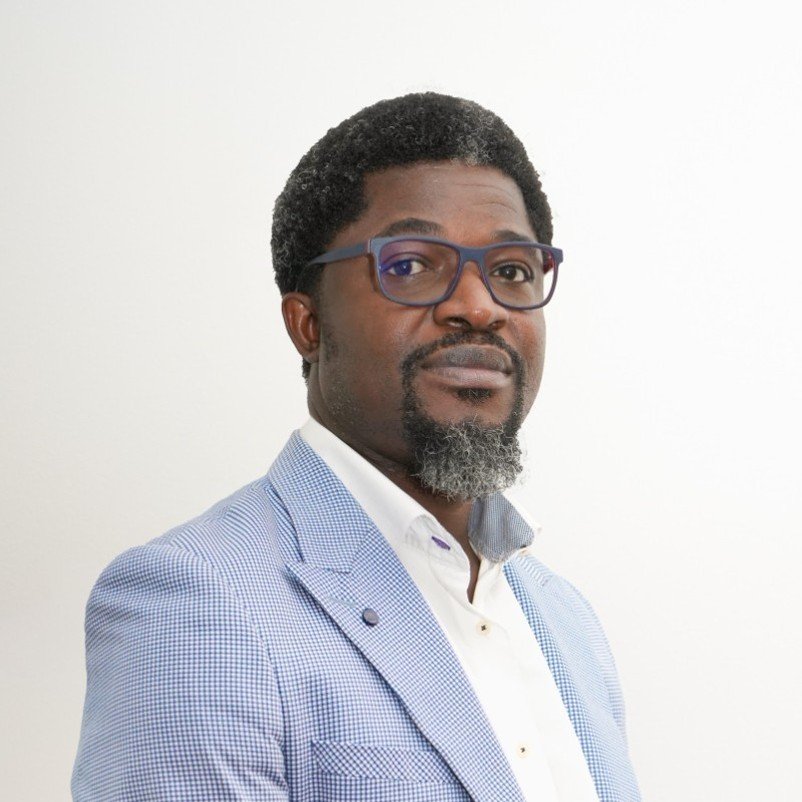
I am Olorunfemi Ojomo
HR Strategy | Talent Management | Organisational Development | Organisational Design| Performance Management | Change Management | Analytics



Most people believe leadership begins the day a title changes. The new role, the bigger office, the announcement email. Until then, they wait. They focus on execution, keep their heads down, and assume that leadership will somehow switch on once authority is formally granted. In reality, leadership is noticed long before it is named.
Those who rise tend to think differently well ahead of promotion. They do not wait for permission to act like leaders. They behave in ways that quietly signal readiness.
Leadership thinking starts with ownership. Future leaders do not limit themselves to what is written in their job description. When something is broken, they feel responsible, even if it is not officially “their problem.” They ask what needs to be done, not who should do it. This mindset stands out in environments where many people are content to stay within safe boundaries.
Another signal is perspective. While others focus narrowly on their tasks, leadership-ready professionals look at how work connects. They consider the impact of decisions beyond their immediate function. They ask how an action affects customers, colleagues, costs, or long-term priorities. This broader view shows maturity and business awareness, two traits’ organisations desperately need at senior levels.
Leaders also think ahead. They do not only react to today’s issues; they anticipate tomorrow’s challenges. They prepare options, not just updates. When problems arise, they bring potential solutions instead of simply escalating concerns. This habit builds confidence in their judgment and reduces the burden on those above them.
How people handle pressure is another quiet test. Aspiring leaders remain steady when things are unclear or difficult. They do not disappear when work becomes messy. They communicate calmly, even when answers are incomplete. This emotional discipline reassures others and creates trust, especially in moments that matter.
Perhaps most importantly, leadership begins with how one treats people. Those ready for leadership respect others’ time, listen carefully, and give credit generously. They influence without authority and collaborate without ego. Their presence makes work easier, not heavier.
Titles formalise leadership, but they do not create it. By the time an organisation promotes someone, it is usually confirming what has already been observed. Leadership is recognised in patterns of behaviour, not in potential alone.
Leadership begins before the title. Those who understand this do not wait to be chosen. They choose to think, act, and decide like leaders long before the role arrives. When it does, it feels like a natural next step rather than a sudden transformation.
If you are yet to subscribe, please do and also share with others.
#Curiosity #Findings #Thoughts
HR Strategy | Talent Management | Organisational Development | Organisational Design| Performance Management | Change Management | Analytics
Sign up for my newsletter to receive all updates.