The fuller your calendar, the faster your responses, the more screens open on your desk, the more competent you appear; busyness now passes for effectiveness. Beneath this constant motion lies a debatable truth: multitasking often weakens the very talent it claims to showcase.
The human brain does not actually perform multiple complex tasks at the same time. What it does instead is switch rapidly between them. Each switch may feel harmless, but it comes at a cognitive cost. Attention fractures. Context is lost. Thinking becomes shallow. Over time, the ability to stay with a problem long enough to truly understand it begins to fade.
This is why multitasking professionals often feel productive but struggle with work that demands depth. They answer messages quickly but miss nuances. They attend many meetings but retain little. They start tasks with energy but finish them with mental fatigue and reduced quality. Their days are full, yet their output rarely reflects their true capability.
Talent thrives on focus. Insight, creativity, and sound judgment require uninterrupted attention. Complex problems do not reveal themselves to distracted minds. They demand time, patience, and the discipline to resist constant interruption. When focus is repeatedly broken, thinking becomes reactive rather than deliberate.
Multitasking also changes how others experience your work. Errors increase. Details slip. Decisions feel rushed. Over time, colleagues and leaders may sense that something is off, even if they cannot immediately name it. The individual remains busy, but their reliability under pressure begins to erode. Ironically, the people who seem slower often produce stronger results. They do fewer things at once, but they do them well. Their thinking is clearer. Their communication is sharper. Their work travels further because it can be trusted. When stakes are high, these are the professionals’ organisations rely on.
The danger of multitasking is not dramatic failure. It is gradual dilution. It slowly turns strong talent into average output by spreading attention too thin. It replaces mastery with motion and depth with speed.
Focus, by contrast, is a competitive advantage. In a world designed to fragment attention, the ability to concentrate has become rare and valuable. Professionals who protect their focus think better, decide better, and deliver work that stands up to scrutiny.
Multitasking looks productive until it ruins your focus. The most effective people are not those who do many things at once, but those who give their full attention to the work that truly matters and allow their talent to show at full strength.
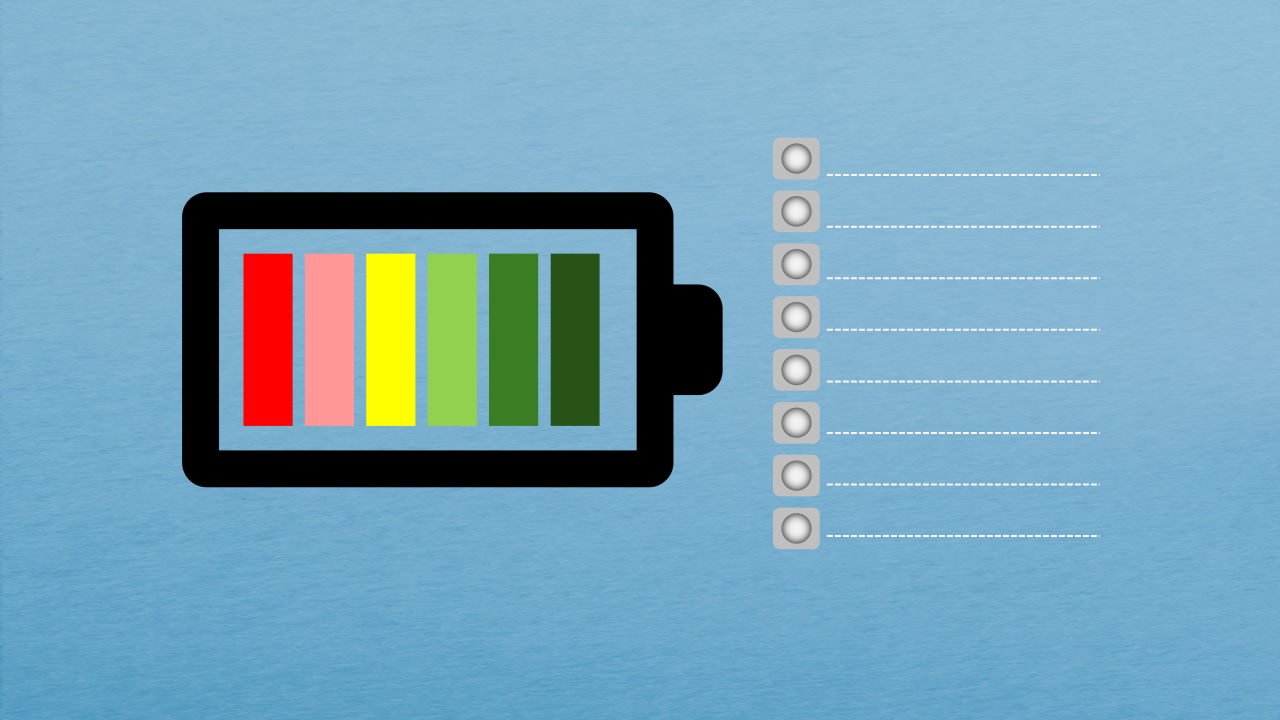
What is your extent of exposure to multitasking? Click on the image below for self assessment tool:

If you are yet to subscribe, please do and also share with others.
#Curiosity #Findings #Thoughts
Hello!
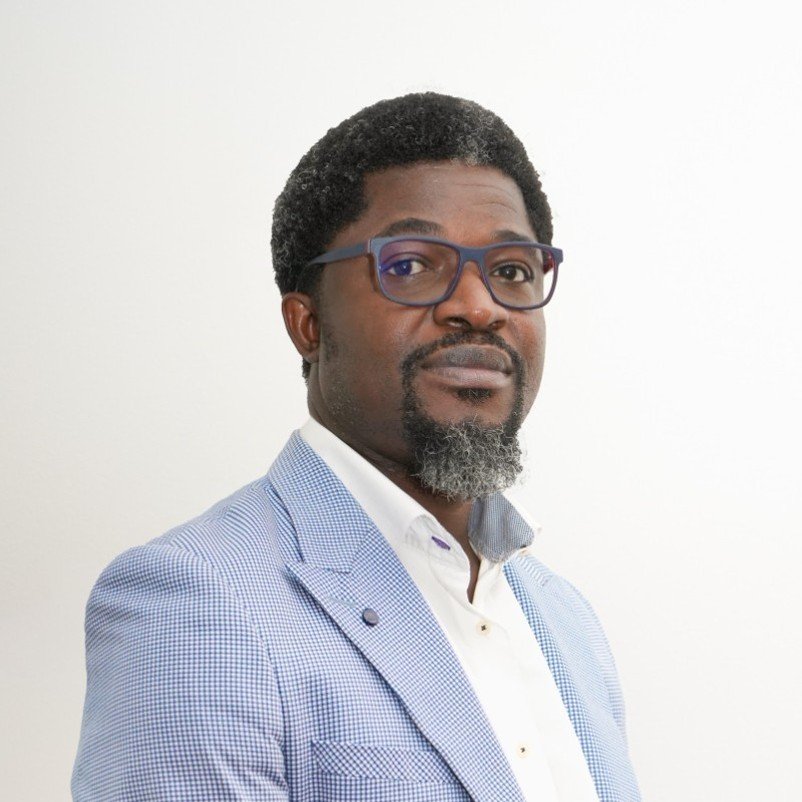
I am Olorunfemi Ojomo
HR Strategy | Talent Management | Organisational Development | Organisational Design| Performance Management | Change Management | Analytics