
Hello!
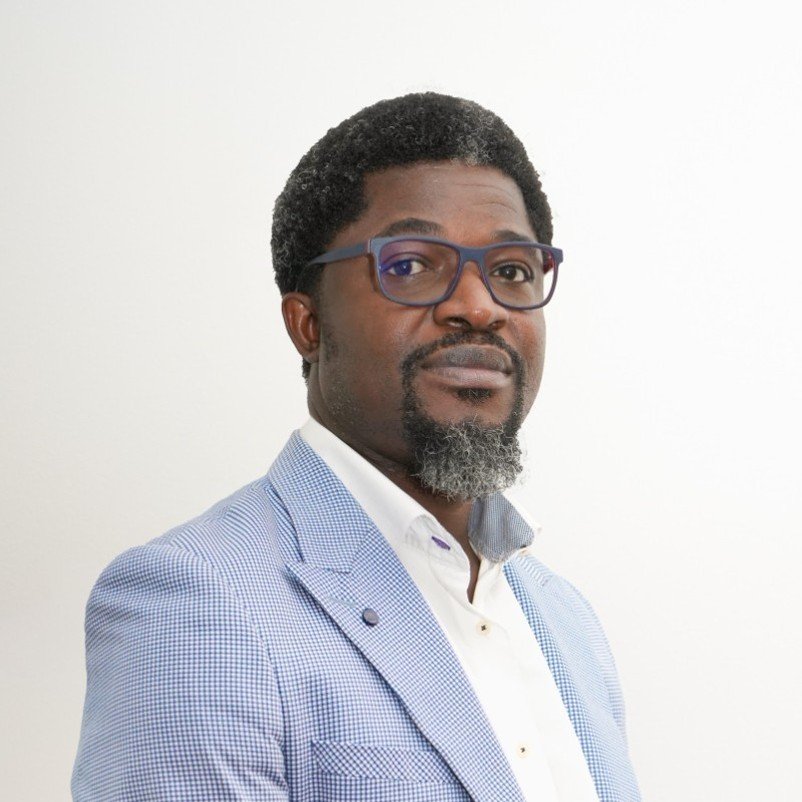
I am Olorunfemi Ojomo
HR Strategy | Talent Management | Organisational Development | Organisational Design| Performance Management | Change Management | Analytics



Most leaders genuinely believe they care about talent. They speak about people as their greatest asset, celebrate hiring wins, and worry aloud about retention. Yet despite good intentions, many still fail at talent management, not because they are indifferent, but because they are blind to how talent actually grows.
One of the most common blind spots is confusing performance with potential. High performers are often rewarded with more work rather than more development. Leaders assume that because someone delivers today, they will naturally thrive tomorrow. Over time, this neglect shows. Strong employees become overstretched, underdeveloped, and eventually disengaged. Talent does not scale simply by increasing workload; it grows when capability is deliberately expanded.
Another failure lies in assuming clarity where none exists. Leaders believe expectations are obvious because they are obvious to them. They forget that experience, context, and access shape understanding. Without explicit conversations about growth paths, success measures, and future opportunities, employees are left guessing. Guesswork breeds anxiety, not commitment.
Many leaders also underestimate the power of everyday behaviour. Talent management is not only about formal programmes or annual reviews. It is shaped daily by who gets attention, who receives feedback, and who is trusted with meaningful work. Inconsistent signals confuse people. When development is promised but not practiced, credibility erodes.
There is also a tendency to avoid difficult talent decisions. Leaders’ delay addressing poor fit, hoping issues will resolve themselves. They hesitate to give honest feedback for fear of damaging relationships. In doing so, they fail both the individual and the team. Growth requires truth, and without it, talent stagnates.
Perhaps the most damaging blind spot is delegation without development. Leaders hand off tasks but not context. They expect results without investing in capability. When things go wrong, they step back in, reinforcing dependence instead of growth. Over time, teams remain operational but never truly strong.
Effective talent management demands intention. It requires leaders to slow down, observe patterns, and invest beyond immediate outputs. It means asking not only what people deliver, but what they are becoming. It involves aligning opportunities with potential and feedback with future needs.
Talent does not grow accidentally, it grows deliberately. Leaders who fail at talent management often do so quietly, through neglect rather than malice. Those who succeed understand that people development is not a side responsibility. It is the work of leadership itself, and the ultimate measure of whether a leader’s impact will endure.
If you are yet to subscribe, please do and also share with others.
#Curiosity #Findings #Thoughts
HR Strategy | Talent Management | Organisational Development | Organisational Design| Performance Management | Change Management | Analytics
Sign up for my newsletter to receive all updates.